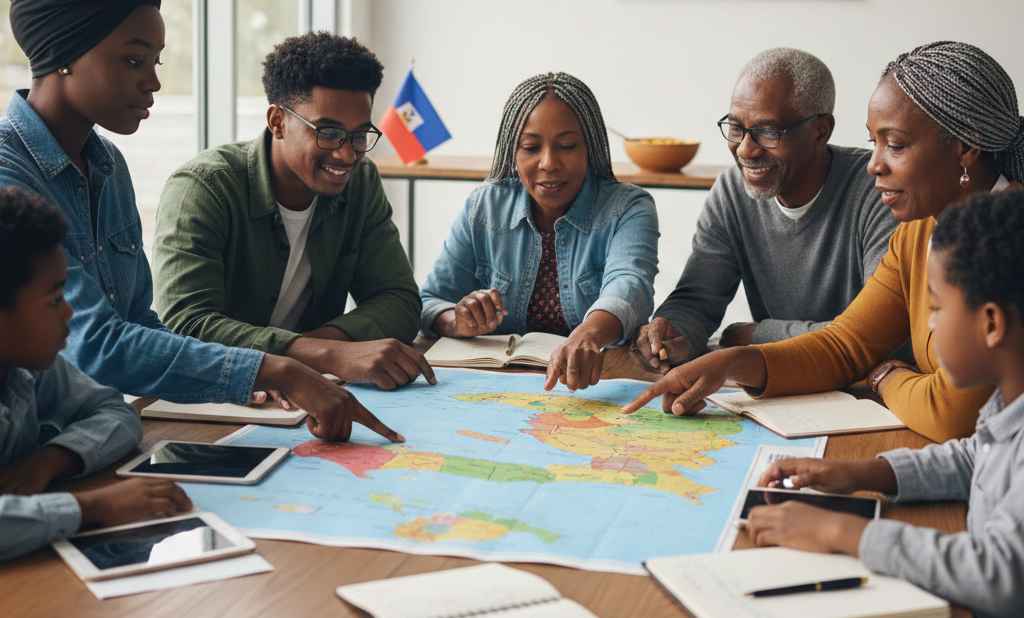
Whether you’re living in a city with a small Haitian population or surrounded by a vibrant diaspora, creating a cultural group can transform isolated individuals into a thriving community. Starting a Haitian cultural organization isn’t just about preserving heritage it’s about building connections, supporting one another, and creating spaces where our culture can flourish for generations to come.
If you’ve been thinking about bringing Haitians together in your area but don’t know where to start, this guide will walk you through every step of the journey.
Why Start a Haitian Cultural Group?
Before diving into the “how,” let’s acknowledge the “why.” Cultural groups serve multiple purposes in the diaspora. They provide a space where children can learn Creole and understand their roots, where adults can maintain connections to home, and where everyone can celebrate holidays and traditions together. These organizations become support networks during difficult times, advocacy platforms for important causes, and bridges between generations.
In cities where Haitians are scattered, a cultural group can be the difference between feeling isolated and feeling at home.
Step 1: Define Your Vision and Mission
Every successful organization starts with clarity about its purpose. Sit down and think deeply about what you want to achieve. Are you focused primarily on cultural preservation and education? Do you want to create social events and networking opportunities? Are you interested in advocacy work or community service?
Your mission might be broad, like “celebrating and preserving Haitian culture while supporting community members,” or more specific, like “providing Creole language education to second-generation Haitian-Americans.” Write this down. It will guide every decision you make moving forward and help attract people who share your vision.
Consider what makes your city’s Haitian community unique. Is there a particular need that isn’t being met? Maybe there’s no place for young professionals to connect, or perhaps elderly community members need more support. Let local needs shape your mission.
Step 2: Find Your Core Team
You cannot build a community organization alone. Start by identifying three to five passionate individuals who share your vision. These founding members should bring different skills and perspectives to the table. Look for people who are natural organizers, strong communicators, financially savvy, or well-connected in the community.
Reach out to people you know through church, work, social media, or local Haitian-owned businesses. Have coffee conversations about your idea. You’ll quickly discover who’s willing to roll up their sleeves and do the work alongside you.
Your core team will be responsible for making major decisions, dividing responsibilities, and maintaining momentum when challenges arise. Choose people you trust and who demonstrate commitment, not just enthusiasm.
Step 3: Research and Connect
Before hosting your first event, do your homework. Research whether similar organizations exist in your city or nearby areas. If they do, reach out to their leaders. They can offer invaluable advice, warn you about common pitfalls, and might even become partners for larger events.
Connect with established Haitian institutions like churches, restaurants, and businesses. These places are natural gathering points for the community and can help you spread the word about your new organization. Many Haitian business owners are eager to support community initiatives and might offer meeting spaces or sponsorships.
Look into other cultural organizations in your city as well. How do they operate? What events do they host? What can you learn from their successes and mistakes?
Step 4: Choose Your Structure
Decide how formal your organization will be. You have several options, each with its own advantages.
An informal group requires no paperwork and offers maximum flexibility. You can start immediately, host events, and build community without bureaucracy. This works well when you’re testing the waters or if your city has a very small Haitian population.
A registered nonprofit provides credibility, allows you to accept tax-deductible donations, and may qualify you for grants. However, it requires more paperwork, board meetings, financial reporting, and ongoing compliance with state regulations.
Many groups start informally and transition to nonprofit status as they grow. There’s no rush to formalize unless you need the legal structure for specific activities.
Step 5: Plan Your First Event
Your inaugural event sets the tone for everything that follows. Keep it simple, welcoming, and focused on connection. A casual gathering works better than an elaborate production.
Consider hosting a community meet-and-greet at a local park, restaurant, or community center. Provide Haitian food, play Haitian music, and create opportunities for people to introduce themselves and share what they’d like to see from the group.
Other strong first events include a flag day celebration, a Creole language circle, a Haitian film screening with discussion, or a potluck dinner where everyone brings a traditional dish.
Promote your event everywhere Haitians might see it: social media groups, church bulletins, Haitian businesses, community centers, and universities. Give people at least three weeks notice and send reminders as the date approaches.
Step 6: Create Communication Channels
Consistent communication keeps your community engaged. Establish multiple ways for members to stay connected and informed.
Create a Facebook group or page where you can share updates, photos, and cultural content. Many diaspora communities are very active on Facebook, making it an essential platform. Consider adding Instagram for younger members and WhatsApp groups for more immediate communication and coordination.
Start a simple email list for those who prefer traditional communication. Send monthly newsletters with upcoming events, community news, and cultural features.
Make sure all your platforms clearly state your mission, values, and how people can get involved. Respond promptly to messages and make newcomers feel welcome.
Step 7: Establish Regular Programming
Consistency builds community. Once you’ve hosted a successful first event, establish a regular rhythm of activities. This might mean monthly social gatherings, quarterly cultural celebrations, or weekly language classes.
Consider incorporating different types of events to appeal to various interests and age groups. Host Creole conversation circles for language learners, movie nights featuring Haitian films, cooking classes teaching traditional recipes, book clubs discussing Haitian literature, dance workshops for kompa or folklore, professional networking mixers, youth mentorship programs, or community service projects.
Don’t overcommit early on. It’s better to do one event per month consistently than to plan weekly activities that you can’t sustain.
Step 8: Celebrate Haitian Holidays and Culture
Mark important dates on your calendar and plan special celebrations. Haitian Flag Day on May 18th is perfect for a large community gathering with food, music, performances, and cultural education. Independence Day on January 1st offers another major celebration opportunity.
Other significant occasions include Carnival season, Ancestors Day, and cultural heritage months. Create traditions around these celebrations so people anticipate them year after year.
Use these events to educate non-Haitians about our culture as well. Open celebrations can build bridges with other communities and combat stereotypes through positive representation.
Step 9: Manage Finances Wisely
Even informal groups need basic financial management. Open a separate bank account for the organization to keep funds separate from personal finances. Track all income and expenses carefully.
Start simple with funding. Charge modest membership dues if appropriate, ask for small donations at events, seek sponsorships from local Haitian businesses, or organize fundraisers like food sales or cultural performances.
Be transparent about finances with your members. Share regular updates about how money is being used and what funds are available for future activities.
If you pursue nonprofit status, you’ll need more rigorous bookkeeping and financial reporting, so establish good habits from the beginning.
Step 10: Build Partnerships
Your organization will be stronger with allies. Partner with other cultural groups to co-host events and share resources. Connect with local universities, especially their Caribbean studies or multicultural affairs departments. Many schools welcome community partnerships and can provide meeting spaces or student volunteers.
Reach out to city officials and community organizations working on immigrant integration or cultural programming. They may have resources, funding opportunities, or platforms where you can share information about your group.
Don’t forget about Haitian organizations in other cities. Building a network with groups in nearby areas creates opportunities for larger regional events and shared learning.
Step 11: Engage All Generations
A thriving cultural organization serves everyone from elders to children. Create programming that appeals to different age groups and creates opportunities for intergenerational connection.
Older community members carry invaluable knowledge about traditions, language, and history. Honor them by inviting them to share stories, teach traditional skills, or serve as cultural advisors. Make events accessible to those with mobility limitations and create comfortable spaces for conversation.
Young adults often seek social connections and professional networking. Host career panels, mentorship programs, and social events that match their interests and schedules.
For children and teens, organize Creole classes, cultural education programs, dance and drum lessons, or youth leadership opportunities. Help second-generation Haitians feel proud of their heritage and connected to their roots.
Step 12: Stay Organized and Delegate
As your group grows, organization becomes critical. Use simple tools to manage tasks and responsibilities. Free platforms like Google Calendar for event planning, Google Drive for shared documents, Trello or Asana for task management, and SignUpGenius for volunteer coordination can keep everything running smoothly.
Divide responsibilities among team members based on strengths and interests. No one person should do everything. Create roles like event coordinator, communications manager, treasurer, volunteer coordinator, and cultural programming director.
Hold regular planning meetings to discuss upcoming events, address challenges, and make collective decisions. Keep meetings focused and productive with clear agendas.
Step 13: Document and Share Your Journey
Take photos and videos at every event. These become precious archives of your community’s history and powerful promotional tools for future activities. Share highlights on social media, create year-end recap videos, and maintain a simple website or blog documenting your organization’s story.
This documentation serves multiple purposes. It helps new members understand your group’s culture and history, provides content for attracting sponsors or grants, and creates a sense of pride and accomplishment for everyone involved.
Step 14: Address Challenges Head-On
Every organization faces obstacles. Volunteer burnout, scheduling conflicts, personality clashes, and financial constraints are common challenges. Address them proactively rather than letting them fester.
When volunteers seem overwhelmed, redistribute responsibilities or scale back programming temporarily. If conflicts arise, address them privately and respectfully, always refocusing on your shared mission. When participation drops, survey your community to understand what they want and need.
Remember that growth isn’t always linear. Some seasons will be busier than others, and that’s okay. What matters is maintaining consistency and keeping your core mission alive.
Step 15: Celebrate Your Wins
Building community is hard work. Take time to celebrate your successes, no matter how small. Did you get ten people to your first event? Celebrate. Did someone tell you that joining your group helped them feel less alone? That’s a victory worth acknowledging.
Share success stories with your community. Highlight members who’ve made significant contributions, showcase the positive impact of your events, and create a culture of appreciation and recognition.
These celebrations fuel continued momentum and remind everyone why the work matters.
Moving Forward
Starting a Haitian cultural group in your city is one of the most meaningful contributions you can make to your community. It requires patience, dedication, and collaboration, but the rewards stronger connections, preserved culture, and a supportive network are immeasurable.
Your journey will be unique, shaped by your city’s specific context and your community’s particular needs. Stay flexible, listen to your members, and remain committed to your mission even when challenges arise.
Remember, you’re not just organizing events. You’re creating space for culture to thrive, for connections to form, and for future generations to understand and celebrate their heritage. You’re building something that will outlast any single person a community where every Haitian can feel at home.
The diaspora is strongest when we come together. Your leadership can make that happen in your city. So gather your core team, plan that first event, and take the first step. Your community is waiting.